 Institute of Advanced Investment Management
Institute of Advanced Investment Management

Recent Research
IAIM is excited to share the insights from our latest research, which provides a comprehensive overview of the trends and challenges facing the finance industry. Our report draws on data from a range of sources, including surveys of investment professionals, market analysis, and academic research, to provide a detailed analysis of the key drivers shaping the industry. The findings highlight the growing importance of technology and digital innovation. We believe in the need for continued innovation and collaboration in the face of ongoing disruption. We believe that this research provides valuable insights for investors, asset managers, and other stakeholders, and we look forward to sharing these insights with the wider community.
Prices Are Less Elastic For Less Diversifiable Demand
We hypothesize and provide evidence that prices are more inelastic when demand is less diversifiable. Specifically, we decompose order-flow imbalance into several components with varying degrees of diversifiability and estimate their price impacts.
Read more: Prices Are Less Elastic For Less Diversifiable Demand
Does Socially Responsible Investing Change Firm Behavior?
Using micro-level data, we examine the behavior of socially responsible investment (SRI) funds. SRI funds select firms with lower pollution, more board diversity, higher employee satisfaction, and better workplace safety.
Read more: Does Socially Responsible Investing Change Firm Behavior?
The Broken Bond Market
Valued at around $10 trillion, the U.S. corporate bond market is slow, expensive, and inefficient. This Article argues that the bond market – premised on contract – rests on a flawed regulatory design that delivers neither investor protection nor market quality.
Read more: The Broken Bond Market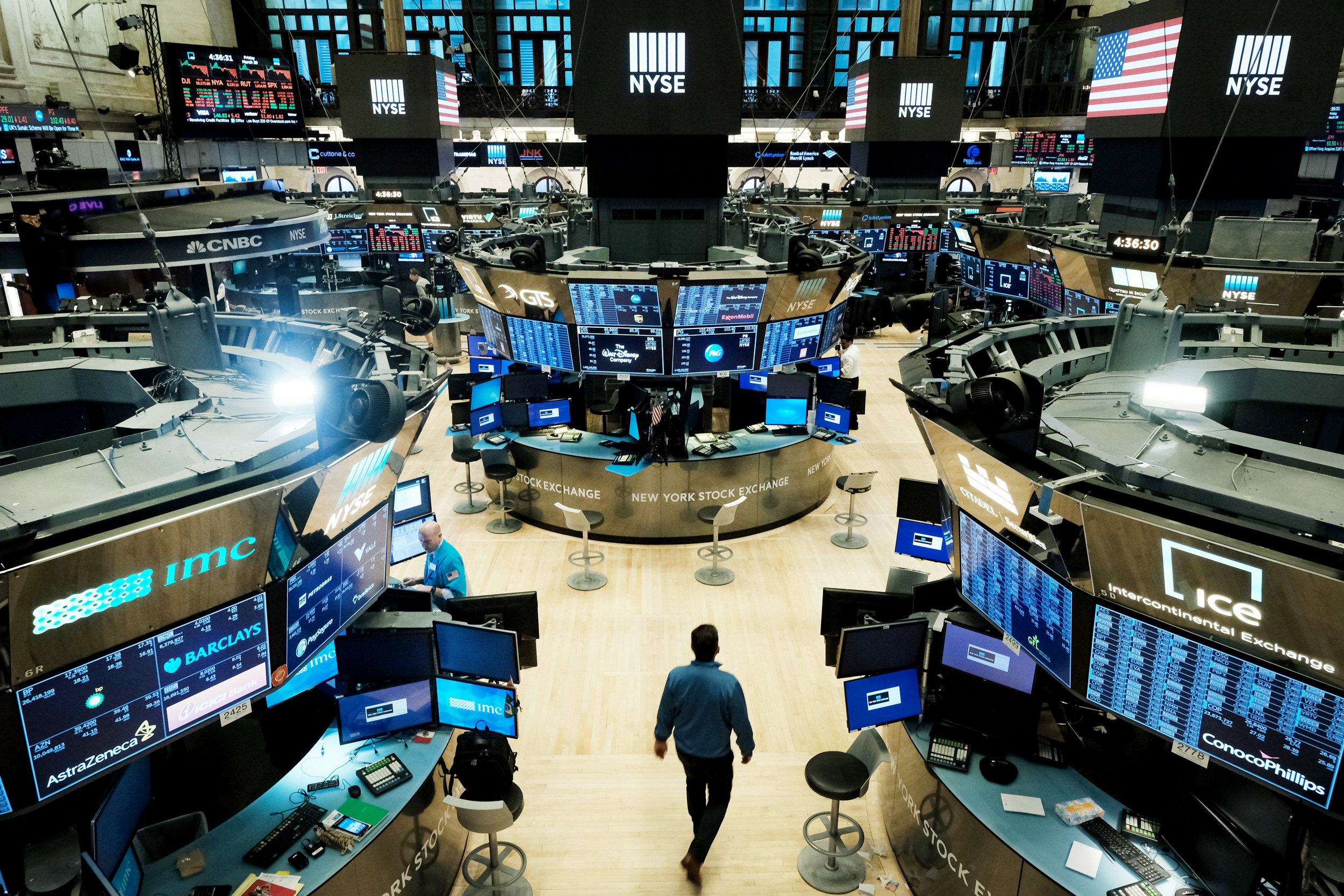
Does Floor Trading Matter?
While algorithmic trading now dominates financial markets, some exchanges continue to use human floor traders. On March 23, 2020 the NYSE suspended floor trading because of COVID-19. Using a difference-in-differences analysis around the closure of the floor, we find that floor traders are important contributors to market quality.
Read more: Does Floor Trading Matter?
Investment Differences Between Public and Private Firms: Evidence From U.S. Tax Returns
Using tax data, we compare the investment behavior of public and private firms for a representative sample of all U.S. corporations. We find that while both types of firms invest similarly in physical capital, public firms out-invest private firms in R&D.
Read more: Investment Differences Between Public and Private Firms: Evidence From U.S. Tax Returns
Household Asymmetric Risk of Foreclosure From Tax Assessment Limits
Homeowners face risk due to variation in annual property tax liabilities which may result in financial distress and eventual mortgage foreclosure. We show that an unintended consequence of a common property tax feature, assessment limitations, exposes households to more systematic risk despite decreasing the variance of property tax payments.
Read more: Household Asymmetric Risk of Foreclosure From Tax Assessment Limits
Does Secondary Market Liquidity Affect the Economy?
We use the Federal Reserve’s Secondary Market Corporate Credit Facility (SMCCF) to examine whether secondary market liquidity has real economic effects.
Read more: Does Secondary Market Liquidity Affect the Economy?